Neighbourhood guides
Old Dubai Walking Guide: Al Fahidi, the Creek and the Souks
Plan a respectful, flexible route through Al Fahidi, Dubai Creek and Deira’s traditional markets with practical advice on timing, navigation and shopping.
Use this Old Dubai walking guide for a half-day
Old Dubai provides context that glass towers alone cannot. The Al Fahidi area, creek and traditional markets show how trade, migration, climate and water shaped the city. The route is geographically compact compared with newer districts, but heat, uneven surfaces, navigation and pauses can make it a substantial outing.
Use this as a flexible sequence rather than a fixed tour. Individual museums, cultural spaces, crossings and shops set their own hours and access conditions. Check primary sources for anything essential and keep a taxi or public-transport alternative in mind if the group tires.
Begin in Al Fahidi Historic Neighbourhood
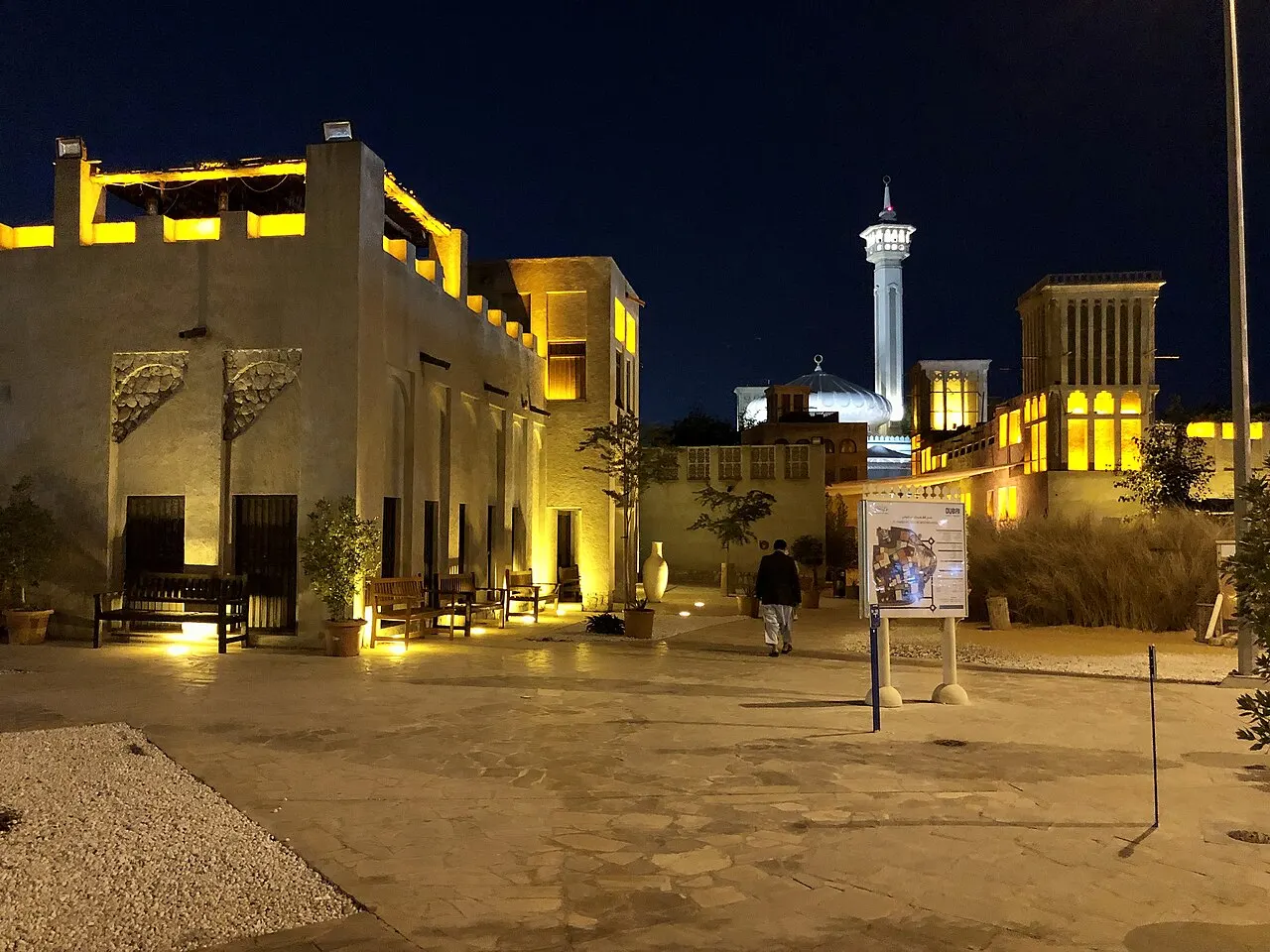
Start with the Al Fahidi and Old Dubai guide. Move slowly through the lanes and notice shaded passages, courtyards and wind-tower architecture. Some buildings host galleries, museums, cafés or cultural organisations, while others may not be open to the public. Enter only where invited and respect signs.
Early hours are often more comfortable for walking, but opening times vary. A rushed path through every lane misses the value of the district. Choose one or two indoor stops, allow time to sit, and ask before photographing staff, residents or visitors.
Continue toward Dubai Creek
Walk toward the creek when conditions are comfortable. The waterfront reveals the relationship between trading districts on either side of the water. Watch working boats and passenger movement without obstructing boarding points or commercial activity.
Traditional passenger crossings can be memorable, but boarding conditions may not suit every traveller. People with limited mobility, young children or bulky luggage should assess the step, vessel movement and crowding before committing. Ask staff for current information rather than assuming every crossing or vessel offers the same access.
If the crossing is unsuitable, use a land-based transport option. The experience is not diminished by choosing the safer route for your group.
Navigate the Spice and Gold Souks
On the Deira side, use our Gold and Spice Souk guide for orientation. Market lanes can feel intense when they are busy. Keep the group together, agree on a meeting point and store valuables securely.
Browsing does not create an obligation to buy. If you are interested in an item, ask for clear information about weight, material, origin, certification where relevant, the total price and return terms. Bargaining styles differ by shop and product; remain calm and respectful, and leave if you are uncomfortable.
Food, spices, perfumes and jewellery may be subject to customs restrictions at your destination. Check the relevant rules before purchasing something you plan to carry across a border.
Dress, photography and cultural respect
Choose modest, comfortable clothing suited to cultural venues and the weather. A light layer may be useful indoors. Religious sites can have specific dress and visitor rules; follow posted instructions and do not enter private worship areas without permission.
Ask before photographing identifiable people or the interior of a working shop. Avoid treating residents, traders or worshippers as scenery. Architectural details and wide street scenes can often tell the story without intruding on someone’s privacy.
Heat, hydration and walking conditions
Shade varies, and narrow lanes do not eliminate heat risk. Carry water, use sun protection and shorten the route when needed. Stone, paving transitions, curbs and boat access may challenge some mobility aids. A travel companion can scout the next section while the group rests.
Do not plan the route around a single optimistic walking-time estimate. Stops, navigation and indoor visits add time. The best time to visit Dubai guide explains how season and time of day affect an outdoor-heavy itinerary.
Food and rest stops
Old Dubai offers many places to eat, but quality, dietary information and opening times vary. If allergies matter, communicate them directly and do not rely only on a general cuisine label. Choose a clean, comfortable stop before the group becomes exhausted.
A planned break is also useful for checking the route ahead. Decide whether to continue deeper into the markets, return across the creek or take transport to the next district. This is a better moment for the decision than after everyone is tired.
Accessibility and family planning
Families should keep the route short enough for the youngest traveller and agree on what to do if separated. Strollers may be inconvenient on crowded or uneven sections. For wheelchair users, step-free access can vary between historic buildings, waterfronts and vessels; contact specific venues about current arrangements.
A private heritage guide can help tailor the pace, but verify qualifications, route, language and what admission is included. The booking request on this site does not confirm a guide or guarantee accessibility.
How to connect Old Dubai with the rest of the trip
Avoid pairing this walk with another demanding outdoor activity. An indoor afternoon or relaxed evening works better. If you continue to Downtown, allow for cross-city transport and a proper meal break before a timed Burj Khalifa visit.
The first-time Dubai itinerary gives Old Dubai a dedicated day because its value comes from attention, not speed. Leave with observations and questions rather than bags of compulsory souvenirs.
Think of Old Dubai as connected neighbourhoods
Old Dubai is easier to enjoy when you understand the role of each part of the outing. Al Fahidi gives you a chance to look at lanes, courtyards and traditional building forms. The Creek explains the importance of water and movement to the city. The souks bring trading activity into the visit. You do not need to turn all three into equally long stops. Choose the part that interests you most and give it enough time.
A first visit can follow that general order, but the best starting point depends on your accommodation, transport and any booked activity. Check the route on a current map before leaving. The word Old Dubai covers more than one entrance or attraction, so save specific places rather than one broad district pin. A clear start and finish make a flexible walk much easier to manage.
Give the walk one main question
You might ask how buildings respond to the climate, how the Creek connects different parts of the city or what makes a market different from a mall. A simple question gives you something to notice. It can also help children stay interested without requiring them to remember a long list of dates or names. Look for details, compare what you see and leave room to ask a guide when you want deeper context.
Avoid expecting every interesting doorway to be an open visitor attraction. Some spaces have specific uses, admission arrangements or visiting times. Respect the signs and the people using them. You can appreciate the area without entering every building. A walk becomes more rewarding when you observe carefully rather than treating each doorway as something you must photograph or explore.
Plan an arrival that does not use up the group's energy
Choose the exact place where the walk will begin and compare the full journey from your hotel. Include the walk from the transport stop, any crossing and the likely conditions outside. If the journey already includes a long exposed section, shorten the sightseeing walk or choose a more direct arrival. The distance shown between two map pins is only part of the effort involved.
Put the first meal or seated break into the plan before you leave. You do not need a fixed reservation for every pause, but you should know where you expect to stop and whether it suits the group. A traveller who is comfortable for the first few lanes may become tired if the break keeps moving further away. Keep the promised pause rather than repeatedly adding one more street.
The Dubai public transport guide can help you compare routes, while the first-visit itinerary places Old Dubai within a wider trip. Avoid combining the walk with several distant attractions simply because the first stop appears compact on a map. Give the heritage district room to be the main experience of its day.
Notice the buildings without rushing through them
Slow down in one small area and look at the relationship between the buildings, lanes and open spaces. Notice where you find shade and where a courtyard changes the feeling of a street. Compare a narrow passage with a larger public area. These observations can make the architecture interesting even if you have not studied its history before arriving.
If you want an explanation of particular features or the stories of a specific building, choose a suitable guided visit and check its scope. A guide can add context that is difficult to obtain from looking alone. Ask whether the walk includes entry anywhere or stays in public areas, how long it lasts and how much standing is involved. The answer helps you decide how it fits the rest of the outing.
Make photographs part of the observation
Choose a few details rather than photographing every doorway. A pattern, an interesting shadow or the contrast between a lane and a courtyard can tell the story of the visit. Keep passages clear and allow people to continue their normal activity. Ask before photographing identifiable people or private interiors. A good photograph should not depend on making someone else uncomfortable.
Take a short break from the camera too. Listen to the area, notice how people move through it and let the group point out what they find interesting. Travellers often remember a conversation or a small detail more clearly than a long sequence of similar images. There is no need to turn the whole walk into a task of collecting proof that you reached each stop.
Treat the Creek crossing as a separate choice
Decide whether a boat crossing is part of the experience you want, rather than assuming it is compulsory. Check the current boarding point, route, payment arrangement and access conditions for the service you intend to use. Different vessels and marine services have different purposes. A short crossing is not the same product as a sightseeing cruise or a dinner trip.
Before boarding, make sure everyone understands the instructions and can manage the arrangement. Ask staff when you need help or clarification. Keep belongings secure and follow the boarding guidance. If the crossing does not suit a traveller, choose another way to continue the day. You can still understand and enjoy the Creek from permitted waterfront areas without making every guest take the same route.
Have a plan for the other side. Know whether you are going directly to a market, finding a meal or simply looking at the waterfront. Otherwise, the group can arrive and spend its energy deciding where to go next. Keep the next stage short and clear, especially after a busy boarding area or when someone is already tired from the heritage walk.
Visit the souks with a purpose and a stopping point
Choose whether the market visit is mainly for browsing, photography or a particular purchase. These lead to different uses of time. If you are shopping for something specific, write the important questions before entering the shops. If you are browsing, give yourself permission to enjoy displays without buying. A conversation with a seller does not create an obligation to make a purchase.
For products, compare the full description and total price rather than only a discount claim. Ask about the material, quantity or other details relevant to the item. Keep any important conditions clear before payment. Our Dubai souk shopping guide gives more detail on approaching gold, spices and souvenirs without turning the visit into a rushed buying exercise.
Set a stopping point for the shopping section. This might be the end of a selected route or the time for a meal. Markets can make it easy to keep walking from one display to the next. A planned finish helps protect the rest of the day and prevents tired guests from feeling that the promised break is always just beyond another shop.
Design a shorter version for families
For children, use small chapters: an interesting lane, a Creek view and a limited market section. Give each chapter one simple activity. They might look for a building pattern, watch boats from a safe public place or choose a colour theme in the shop displays. Keep the tasks optional and light. The outing should not feel like a worksheet that must be completed before lunch.
Explain the shopping plan before reaching a busy area. If a child will have a small purchase budget, agree it early. If you are only browsing, say so clearly. Keep the supervising adults' roles clear when the group pauses or separates briefly. A crowded market is not the place to discover that everyone assumed someone else was watching the children.
Reduce the route when energy changes. You can choose the heritage section and Creek without a long shopping visit, or focus on the market and save another part for a future day. The Dubai family itinerary uses this approach across the city. A successful short visit is one the family enjoys together, not one that contains every possible stop.
Make access and rest part of the route
Ask the people travelling what would make the walk comfortable. Discuss surfaces, steps, standing, toilet access and the distance between pauses. Do not rely only on a broad label such as family-friendly or accessible. A route can have comfortable sections and more difficult parts. The useful question concerns the exact path and facilities your group will use.
If you need particular support, contact the relevant venue or transport provider before travelling. Describe the practical requirement and ask for a specific answer. A photograph of a smooth courtyard does not show every entrance or connecting lane. Keep an alternative route available and be willing to end the walk at a convenient point instead of insisting on the original finish.
Plan the return before fatigue becomes the main issue. Save a sensible pickup or transport point and check how to reach it from the final section. Avoid choosing a route that leaves the least mobile traveller responsible for the longest walk back. A well-chosen finish can make the whole outing feel more comfortable, even when the total number of sights is smaller.
Choose between a guide and an independent walk
A guided visit can suit travellers who want explanations, a clear sequence and help connecting the neighbourhood's stories. An independent walk can suit people who prefer to pause, photograph and browse at their own pace. Neither option automatically includes every entry or crossing. Read the actual programme and compare it with your interests and walking needs.
For a guided option, ask about group size, language, meeting point, duration and any included visits. Explain whether shopping is an interest or something you would prefer to keep short. For an independent outing, do the organising work beforehand: save the route, check any specific admission and choose meal and return points. Freedom works best when the practical basics are already clear.
You can also combine the two. A short guided cultural visit followed by independent browsing may provide both context and flexibility. Keep a gap between the organised part and any later fixed booking. This gives you room to ask questions or take a break without feeling that the rest of the day is already running late.
End the visit with a clear connection to the wider city
Before leaving, ask the group what stood out: the buildings, the Creek, a conversation or the market atmosphere. This small reflection helps Old Dubai become more than a collection of stops between modern landmarks. It also gives you a useful way to compare the district with Downtown or the Marina on another day. Different parts of the city can tell different parts of its story.
Keep the next activity modest if the walk has been substantial. A relaxed meal or return to the hotel may be a better continuation than another cross-city excursion. If you still have energy, choose one nearby option that fits the route. Do not use the fact that an activity is available as the only reason to add it.
Save any useful notes about places you would like to revisit. A first walk does not need to answer every question or include every museum and market. Leaving with one clear impression and a reason to return is a worthwhile result. A thoughtful route, respectful behaviour and a comfortable pace do more for the experience than trying to cover the greatest possible distance.
Frequently asked questions
How long should I allow for Al Fahidi, the creek and the souks?
Allow at least a half-day at a comfortable pace, with extra time for indoor stops, a meal, navigation and transport.
Do I have to bargain in the souks?
No. Ask for clear product and price information, negotiate only if comfortable, and leave politely when an item or offer does not suit you.
Is the Old Dubai route wheelchair accessible?
Access varies across historic buildings, paving, curbs, waterfronts and vessels. Contact specific venues and check the current route before travel.
Can I photograph people in Old Dubai?
Ask permission before photographing identifiable people, shop interiors or sensitive cultural and religious settings.
Do I have to include a boat crossing in an Old Dubai walk?
No. A crossing can be a useful part of the visit, but choose it only when the current service and boarding arrangement suit the group. You can enjoy permitted waterfront areas and continue by another route. Check the exact marine service rather than assuming all boats offer the same experience.
Can I visit the souks without buying anything?
Yes. Browsing and observing the trading atmosphere are valid reasons to visit. Be polite, keep access clear and ask permission for photographs where needed. A conversation with a seller does not mean you must buy an item or continue a negotiation you do not want.
Is a guided walk necessary for a first visit?
It is optional. A guide can add context and an organised sequence, while an independent visit allows a flexible pace. Compare the programme, language, walking requirements and inclusions. You can also combine a short guided section with independent time afterwards.
What is a good shorter route for children?
Choose a small heritage section, a Creek view and a limited market visit, with a planned meal or rest. Give each stage one simple point of interest. Remove a section if energy changes rather than rushing through everything. Keep supervision clear in busy areas.
Should I combine Old Dubai with the Marina on the same day?
Consider the transfer and the group's energy before doing so. They are different districts, and a substantial heritage walk can already fill much of a comfortable outing. Giving each area its own day often leaves more room to enjoy it, especially on a longer stay.
How can I make the walk easier for someone with limited mobility?
Check the exact route, surfaces, entrances, seating and transport arrangements. Ask venues or operators specific access questions and plan a convenient finish. Keep a shorter alternative available. Do not assume that one accessible building means every connecting lane or boat service will meet the same needs.
Official planning sources
Use these primary sources to recheck live hours, rules and services for your travel dates.