Family travel
Dubai Mall With Kids: A Calm Half-Day Guide for Families
Plan a calm half-day at Dubai Mall with kids: one main activity, time for meals and breaks, and a simple journey back to your hotel.
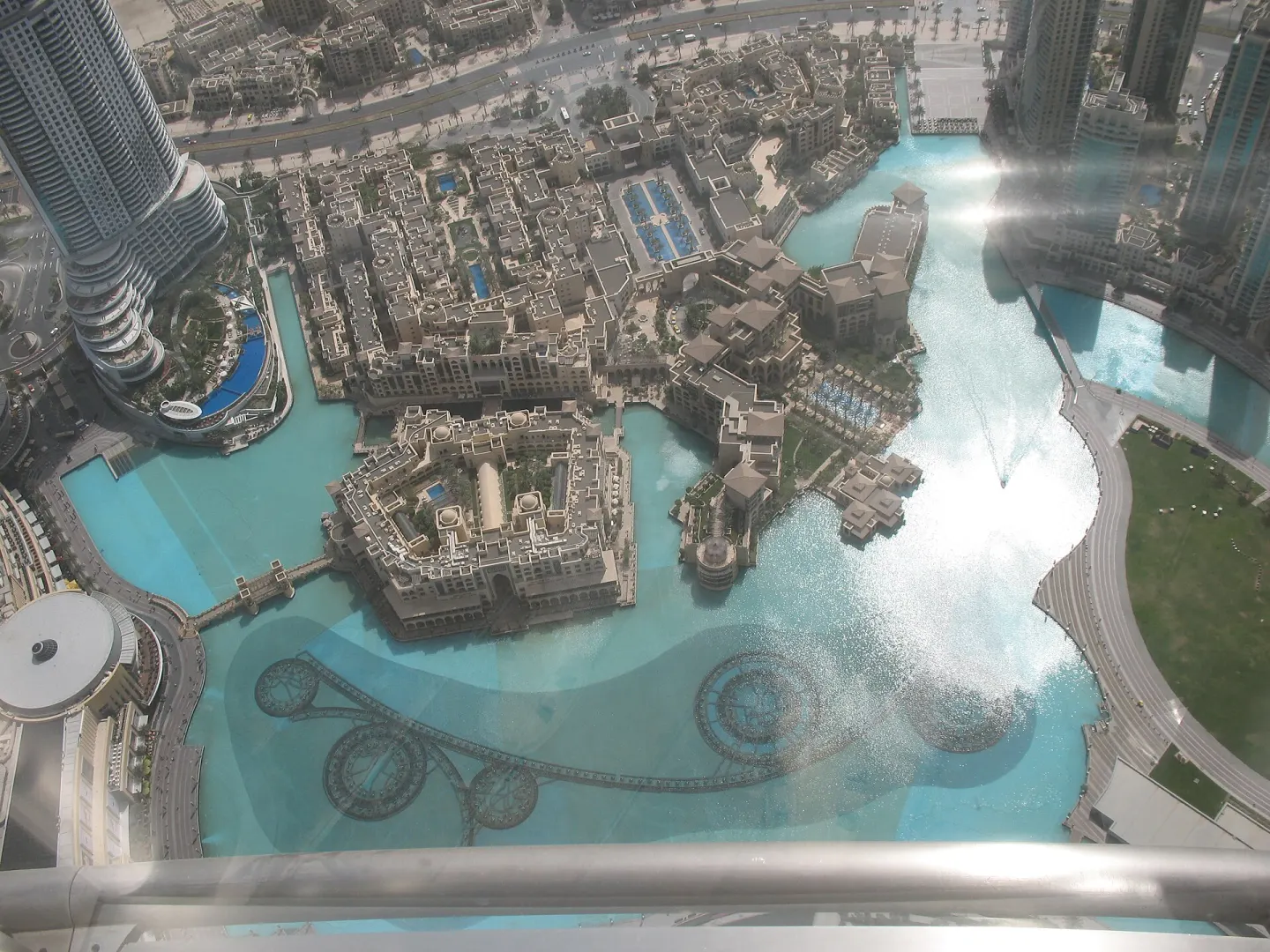
A relaxed visit to Dubai Mall with kids starts with one main activity, a predictable meal break and enough time to reach the right entrance.
Dubai Mall can be a happy family stop, but it is easy to make the day harder than it needs to be. The building is large, the choices are many and a child can get tired long before the adults finish deciding what to do. A good half-day starts with one main activity, a simple meal and a clear way to leave.
You do not need to buy tickets to every attraction or visit every shop. Choose the experience your children are most likely to enjoy, then give it enough time. Add a snack, a toilet break and a small free pause. A comfortable visit to one attraction can be more fun than a rushed tour of several places your family barely has time to see.
This guide focuses on planning, not fixed prices or opening hours. Check the official Dubai Mall directory and each attraction's own booking page before you travel. Entry rules, age requirements, services and programmes can change. For the wider area, use the Dubai Mall and Fountain visitor guide and keep your route in one part of Downtown where possible.
Start with one sentence
Finish this sentence together: today we are going to Dubai Mall mainly to do what? The answer might be see an aquarium attraction, enjoy a children's activity, visit Burj Khalifa or have a relaxed family meal. If you cannot agree, ask each child for one wish and choose a shared priority. Do this before arrival, while everyone has time and patience.
Tell children what is included and what is only a possibility. A shop window, poster or video can create a sudden expectation. A clear plan helps you say, today is our aquarium day; we will look at the other activity for another visit. This is easier than making spending decisions in front of an exciting entrance while a tired child waits.
Keep the promise small and clear
Promise what you have actually booked or can reasonably do. Do not promise a particular show, animal encounter or ride because it appeared in a video. Check the exact ticket and current offering. Explain that queues and access can change. A simple, accurate promise gives a child something to look forward to without making the day depend on an unconfirmed extra.
Choose a flexible extra
Your extra could be a snack, a short browse or a public-area view. It should be easy to remove. If the main attraction takes longer or someone needs a break, drop the extra without treating it as a loss. The half-day still worked if the family enjoyed the main experience and left feeling comfortable.
Decide what kind of visit suits your family
Toddlers, school-age children and teenagers may want very different days. Younger children may need more routine and quiet pauses. Older children may want a longer activity they can focus on. Avoid choosing only by what adults find impressive. Ask what the child likes at home: animals, pretend play, views, making things or moving around. Use that interest to narrow your choices.
If children have different interests, decide whether the family will stay together or split with responsible adults. Agree on a named meeting point and time. Keep tickets with the adult accompanying each group. Do not arrange a split around a vague location such as the aquarium area. Large attractions can have several public views, paid entrances and exit points.
Arriving without an unnecessary long walk
Choose your arrival point based on the attraction you booked. A mall entrance that is convenient for shopping may not be the best one for your activity. Check the directory and ticket instructions in advance. If travelling by taxi, use an official drop-off and follow venue guidance. Save the chosen exit as well; you may want a simple return when everyone is tired.
Public transport can be useful, but include the full walking connection in your plan. Reaching the Dubai Mall/Burj Khalifa Metro station is not the same as reaching a particular ticket desk. Families with a stroller or a child who tires easily should compare the whole journey. Use current RTA information for services rather than relying on a copied timetable.
Make the first stop practical
On arrival, find the toilets, the main attraction and one food option. Then take a moment to check tickets and the time. This small pause helps you avoid walking in the wrong direction and turning back. If you need help, ask a guest service desk for the route. Clear directions are more useful than trying to follow an uncertain phone map inside a large building.
Ask about family services
Dubai Mall's official visitor information lists services such as guest assistance and family-related facilities. Check the current arrangements for anything you depend on, including stroller availability or children's wristbands. Availability, deposits and conditions may apply. Bringing your own suitable stroller may be simpler for a child who normally uses one; confirm attraction access and storage rules separately.
Choosing an aquarium visit
Aquarium experiences can suit children who enjoy watching marine life, but compare the exact admission options. A view from a public mall area is different from paid access to particular parts of an attraction. Check what your ticket includes, where you enter and whether additional experiences have separate conditions. Do not assume the photograph beside a price shows everything you are buying.
Choose the visit around your child's attention span. Some children like to stand and watch quietly; others move on quickly. Let them choose a few things to notice instead of asking them to read every sign. You might look for different shapes, colours or swimming styles. A simple conversation can help the experience feel like discovery rather than a lesson they have to finish.
Check optional experiences carefully
Additional activities may have their own age, height, booking or supervision rules. Read those rules before mentioning the experience as a promise. If a child does not meet the requirements, focus on the parts they can enjoy. Buying a more expensive package is only useful when the included elements suit your family and fit the time you have.
Keep the pace gentle
Allow a pause before leaving the attraction for the next task. Crowds, displays and sound can be a lot to take in. Ask the child what they liked, then move to a meal or quiet break. Do not go straight from one busy queue to another because the attractions are under the same roof. Indoor travel still uses energy.
Choosing a children's activity instead
If your family prefers a dedicated children's attraction, read its current rules and allow it to be the main event. Check ages, adult entry, supervision, session length and any activity restrictions. Different attractions use different arrangements. A child ticket does not always mean an adult can join every part, and an adult ticket does not always include the same activities as a child's.
Save the attraction contact details and read the entry instructions before buying. Ask what happens if you arrive late or need to leave early. Consider meals and toilet breaks within the experience, not only before it. Some activities deserve more time than a tight half-day allows. In that case, make a longer visit or choose something that fits instead of rushing through.
Choose by interest rather than age alone
The allowed age range tells you who may enter, not who will enjoy the activity. Look at the actual tasks, environment and pace. A child who likes imaginative play may enjoy a different option from one who wants a short visual experience. Ask them a few simple questions and show accurate current information rather than a fast promotional montage.
Adding Burj Khalifa: possible, but choose your priority
Burj Khalifa can be the main family activity, with the mall providing food and practical breaks. Use the Burj Khalifa guide to compare the ticket type. Check the booked levels, arrival instructions and child ticket rules. Add time to reach the entrance and join the relevant queue before the observation experience begins.
For a true half-day, avoid treating a tower visit and a long children's attraction as two small stops. Decide which matters most. Young children may enjoy the view briefly and then need food or a change of pace. Prepare a simple spotting game, such as finding roads, water and smaller buildings below, while following venue guidance and keeping children close.
Do not build the day around perfect visibility
Weather and haze affect distant views. A sunset booking may be popular, but it cannot promise a clear sky. Choose a time your family can comfortably manage and compare the exact product. If the goal is a relaxed first visit, a convenient slot may serve you better than waiting all day for a time that disrupts meals and bedtime.
A sample half-day with one paid activity
Arrive with enough time for a toilet stop, directions and check-in. Enjoy the main booked activity without putting another fixed reservation immediately after it. Then have a meal nearby. Finish with one short optional pause, such as a public-area view or a small shop visit, and leave. This sequence is a planning example rather than a promise about attraction duration.
Let the meal time move a little, but do not delay it endlessly. If the activity runs long, choose the nearest suitable food option rather than crossing the mall for a restaurant you saved weeks ago. Keep the exit route simple. The final part of the day often decides how everyone remembers it: a calm departure can protect a good experience from ending in frustration.
A mostly free half-day
You can visit public mall areas, enjoy the setting and have a meal without booking a major attraction. Keep the route focused and understand where paid access begins. Free to enter does not mean the entire day costs nothing; food, transport and shopping are separate. Agree on any spending limit before children start choosing treats or souvenirs.
A quiet version for a sensitive child
Ask the venue or attraction about quieter visiting options and any assistance available. Choose a short route, explain the next step simply and keep an easy way to leave. Bring the familiar items the child normally uses for comfort, following venue rules. You know your child best; there is no need to complete a busy activity because it appears on a family travel list.
Meals, snacks and water
Choose two food options in advance: a first choice near your activity and a simple backup. Check menus and any dietary requirements. If an allergy or other need requires direct discussion, contact the restaurant before the outing and confirm again with staff. Do not assume a general food category tells you how a particular meal is prepared or served.
Pack small essentials only where permitted. Check the attraction's policy on outside food and drinks rather than assuming mall rules apply inside every paid venue. Keep water arrangements clear, especially when the visit includes outdoor time. A hungry child is unlikely to enjoy a long search for the best table. A suitable meal at the right time is usually the more useful choice.
Toilet breaks and rest stops
Take a toilet break before a long queue or a timed activity. Ask for directions early instead of waiting until the need becomes urgent. If you use family facilities or need a particular accessible facility, locate it before the main visit. The nearest toilet on a map may not be the most practical option for your group.
Build in a seated pause even if children say they are not tired. Use it to check bags, tickets and the next step. Adults need breaks too. A family day is easier when one person is not carrying every bag, managing all bookings and making every decision. Share simple tasks among the adults and give older children a small role they can manage.
Keeping children together in a large venue
Before arrival, explain what a child should do if separated, in language they understand. Identify uniformed staff or an appropriate service desk and agree on the family plan. Young children should stay with their responsible adult. A wristband or phone number is a helpful extra where appropriate, but it does not replace supervision or a clear plan.
Take a fresh family photograph if that helps you remember everyone's clothes. Keep contact information available to the responsible adults. When moving between floors or through busy doors, stop and count the group. Do not send a child ahead to hold a place in a queue. Staying together is easier than trying to coordinate several small movements through a crowded building.
Outdoor time and the fountain area
If the weather and energy level suit, a short outdoor pause can add variety. Check current waterfront access and any fountain programme before promising a performance. Find a safe, comfortable viewing place and keep children close. If the area is crowded or the wait becomes too long, choose a meal or return indoors. The outing does not need a show to finish well.
Bring the layer or sun protection suited to your route and date. Moving between an air-conditioned mall and outdoor areas can feel different. Avoid carrying a large collection of just-in-case items, though. A compact bag that lets you keep a hand free is often more practical than several loose bags when moving with children through doors, lifts and queues.
What not to combine with this half-day
Avoid adding a full Old Dubai walk, a long Marina visit and a fixed safari pickup to the same block. Each district needs travel and attention. If you want a desert safari later, keep the mall visit short and return to the agreed pickup point with a generous gap. Treat the transfer window as part of the booking.
For another day, a focused Old Dubai visit offers a different setting. A short Marina walk can also work as its own outing. Spreading experiences across the holiday gives children time to enjoy each one. Seeing fewer places in a day does not make the trip less complete.
Leaving while the day is still going well
Check the return journey before the family becomes exhausted. Use the chosen pickup point or public transport route and allow time to reach it. Do a quick check for phones, bags, tickets and purchases before leaving your last seated stop. If you have a stroller, make sure nothing is left underneath or hanging from it when you fold it for transport.
Ask the children for one favourite moment on the way back. Their answer may be different from the activity adults expected them to love. Use that information when choosing the next outing. A successful Dubai Mall half-day is not measured by how many attractions you paid for. It is a visit that fits your family and leaves space for a happy next day.
Make ticket choices easier before you pay
Compare packages by the parts your family will actually use. Write the attraction access, optional experiences, child rules and expected time on a small list. If a bundle includes something nobody wants, it may not help your day. A lower price per activity is only useful when those activities fit your interests, ages and time without creating a rushed schedule.
Check whether the ticket is tied to a date, a session or a particular arrival window. Read the cancellation and change terms. If one child becomes tired or the family arrives late, you should understand the options before the problem occurs. Keep the confirmation and the seller's contact details together so you are not searching through messages at the entrance.
Help children understand the spending plan
If souvenirs are part of the day, agree on a simple limit and when you will look for them. Shopping at the end can keep hands free during the main activity. Let the child compare a few choices without promising a purchase at every shop. A clear arrangement is kinder than repeatedly changing the answer as new things appear.
For older children, choosing a small souvenir can become part of the planning. Ask what would remind them of the experience rather than what is largest or most expensive. Keep receipts and check that purchases are packed before leaving a restaurant. A favourite item left under a seat can quickly overshadow an otherwise happy outing.
Leave space for an ordinary happy moment
Children may remember sharing a snack or looking at a display more than the biggest attraction. Give those moments time. You do not need to fill every quiet pause with another activity. The half-day plan works best when it provides a clear shape without stopping the family from enjoying something small along the way.
A final check the evening before
Open the booking confirmation and make sure the date, participant details and activity are correct. Check whether the seller requires a voucher exchange or a particular entry point. Save the information where the accompanying adult can find it. A few minutes of preparation at the hotel is easier than reading a long message for the first time while a child waits in a queue.
Let children help choose one useful item for the day bag. It might be a light layer or a small familiar comfort item. Explain that the bag needs room and that large toys may be awkward during activities. Give older children a simple role, such as remembering the chosen meeting point or checking that their belongings leave the restaurant with them.
Finally, check the time you expect to leave the hotel and when you plan to return. If the plan already looks full before adding traffic, meals and pauses, remove something now. A half-day with children works best when it has a clear beginning, a main experience and a comfortable finish. Keep the rest of the holiday in mind so everyone has enough energy for tomorrow too.
Featured image credit
Photograph: Nealt. Licence: CC BY-SA 3.0. Reused from the existing website image library.
Frequently asked questions
Is half a day enough for Dubai Mall with kids?
It can be enough for one main activity, a meal and a short optional pause. It is not enough for every attraction and a full shopping visit. Choose a clear priority and check its expected duration before booking.
Do we need attraction tickets to enter the mall?
Public shopping areas can be explored without a major attraction ticket. Paid experiences have separate admission rules. Check where public viewing ends and ticketed entry begins, and keep food and transport in your budget.
Can we combine the aquarium and Burj Khalifa?
It may be possible, but it can make a half-day feel busy. Compare the exact tickets, walking and check-in requirements. For younger children, choosing one main activity and leaving the other for another visit may be easier.
Should we bring a stroller?
Bring a suitable stroller if your child normally needs one and check access rules for your chosen attraction. If relying on a venue service, verify current availability, conditions and any deposit rather than assuming one will be ready.
Where can we check current family facilities?
Use Dubai Mall's official services and visitor information, then contact guest assistance for any specific requirement. Ask about the actual facility you need and the most practical route from your chosen entrance or attraction.
What should we book first?
Book the activity your family most wants to do, after checking age rules, inclusions and cancellation terms. Build food, transport and breaks around it. Leave a flexible extra rather than filling every gap with another ticket.
Is the Metro arrival a short walk?
Include the full station connection and the route inside the mall. The station name does not mean your attraction entrance is beside the platform. Compare the complete journey with a suitable taxi drop-off for your group.
Can we watch a fountain show after the visit?
Check the current programme and access before promising it. Weather, operations and crowd conditions can affect plans. Keep another easy finish available, such as a meal or a short public-area walk, if a performance does not work out.
Can we bring food into every attraction?
Policies vary. Check the specific attraction rather than applying one general mall rule. Plan a suitable meal nearby and discuss dietary needs directly with the restaurant or operator when required.
What is the easiest way to avoid an overtired child?
Start with one main experience, keep meals and toilet breaks predictable and leave a simple route home. Watch your child's energy rather than the number of stops remaining. Ending early can protect a good family day.
Official planning sources
Use these primary sources to recheck live hours, rules and services for your travel dates.