Experience guides
Dubai Desert Safari Planning Guide: Choose the Right Experience
Understand shared and private safari formats, vehicle activities, camp inclusions, pickup logistics and the safety questions to ask before booking.
Start with this Dubai desert safari planning guide
“Desert safari” can describe very different products. Some focus on energetic vehicle activities and a busy evening camp; others emphasise a slower landscape drive, private transport, conservation or sunrise light. A useful comparison starts with what your group wants to feel and what it needs to avoid.
Use the Dubai desert safari tour guide for the current planning summary, then ask the named operator to confirm every important detail in writing. Package labels are not standardised, so never assume that “premium”, “VIP” or “private” guarantees a particular vehicle, table, route or camp.
Shared or private safari
A shared safari can be social and cost-efficient, but pickup times and the pace are influenced by other guests. Ask how many people may share the vehicle, whether pickup is from a hotel or a meeting point, and how long the total collection process may take.
A private vehicle gives your group more control over space and some logistics, but it does not necessarily make every activity private. The camp, shows, dining area or activity queues may still be shared. Confirm which elements are exclusive and which are communal before judging the value.
For families, travellers with mobility needs or anyone sensitive to motion, private transport may make communication easier. It is still essential to discuss suitability rather than assuming a private vehicle removes physical restrictions.
Understand the day from pickup to return
Ask for a simple timeline: pickup window, drive to the desert, any rest stop, vehicle activity, sunset stop, camp arrival, meal or programme, and estimated return. Transfer times depend on the pickup area, traffic and operating location, so an honest supplier may give a range rather than an exact minute.
Clarify whether a stop is part of the experience or mainly a sales opportunity. Also ask which activities are included, optional or operated by a separate vendor. This is especially important for photographs, quad bikes, souvenirs and animal-related activities.
Do not schedule a fixed evening commitment immediately after the safari. A buffer protects you from traffic, group delays and weather-related adjustments.
Dune driving and health considerations
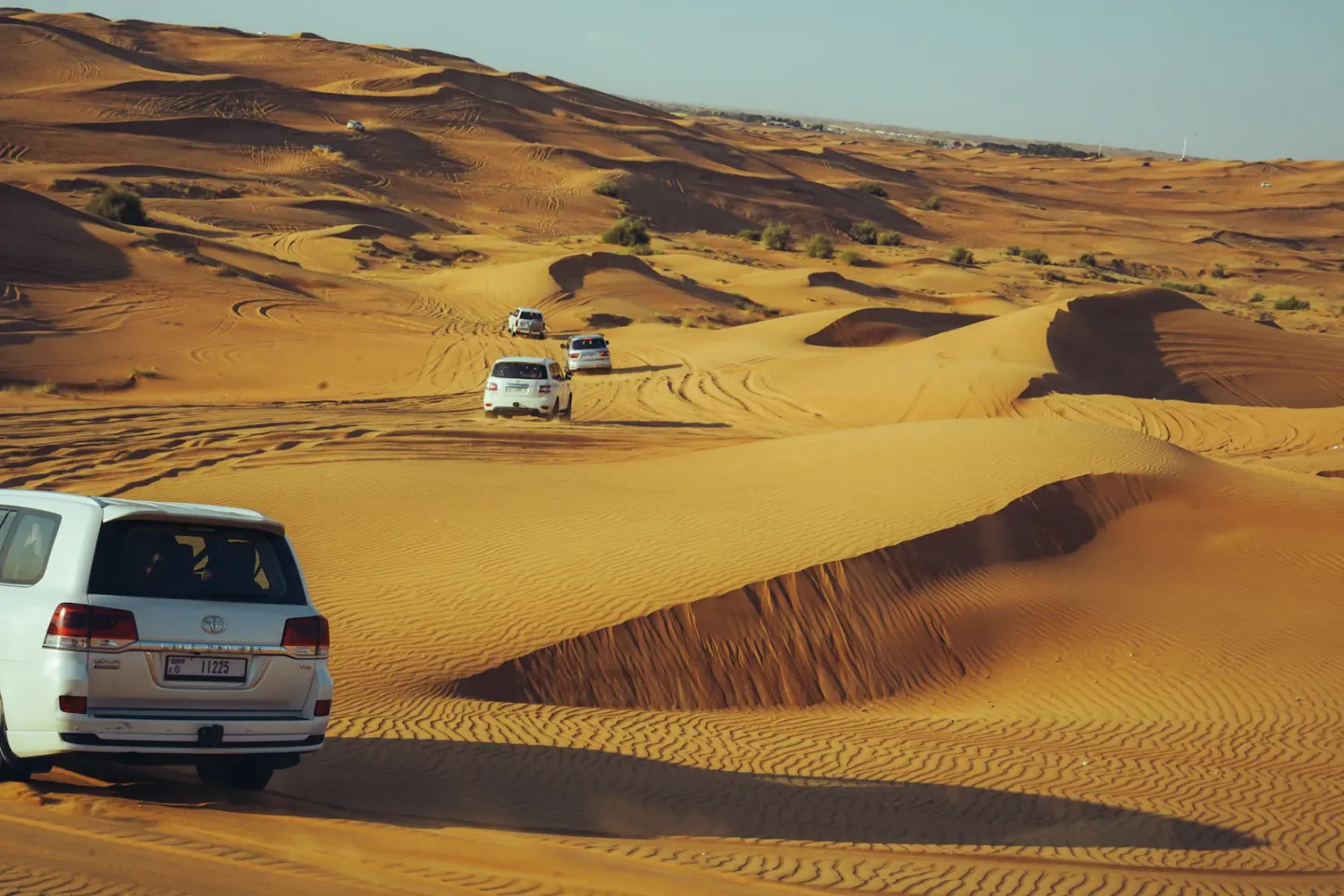
Dune driving can involve sharp changes in direction and elevation. Before booking, disclose pregnancy, recent surgery, back or neck conditions, heart concerns, severe motion sensitivity and any other medical issue that could be affected. Ask whether the activity can be skipped and whether a direct or gentler transfer to the camp is possible.
Parents should request written age and restraint policies for children. A generic claim that an activity is “family friendly” is not a substitute for specific safety information. Travellers are responsible for making an informed decision with the operator and, where appropriate, a medical professional.
Wear the seat belt as instructed, follow the driver’s directions and do not pressure the driver to make the experience more extreme. Safety should take priority over a dramatic video.
Camp, food and entertainment details
Ask whether the camp is shared by multiple operators, how seating works and what the meal actually includes. Dietary labels can be broad, so communicate allergies separately and ask about cross-contact if it matters to your health. Entertainment schedules may change because of operational decisions, religious observances or local rules.
If a show is central to your decision, request current confirmation rather than relying on an old advertisement. The same applies to alcohol, shisha, henna, sandboarding or short animal interactions. Understand what is included, what costs extra and what may not operate on your date.
Animal welfare and desert impact
A responsible desert visit should respect wildlife, vegetation and designated routes. Avoid experiences that encourage chasing animals, leaving the vehicle in restricted places or discarding waste. If an animal interaction is offered, ask who manages the animals, how handling is controlled and whether participation is optional.
Camel rides in mass-market camps may be very brief and repetitive. You can decline any activity that feels uncomfortable. The desert’s quiet, light and geology are valuable without adding every possible attraction.
What to wear and carry
Choose breathable, respectful clothing and closed or secure footwear that can handle sand. Bring sun protection and a light layer for cooler evenings or air-conditioned transfers. Keep medication with you rather than in luggage that may be difficult to access.
Protect cameras and phones from sand, and avoid carrying unnecessary valuables. Ask about luggage restrictions if the safari is scheduled on a hotel-change day. Water may be provided, but bring enough for the transfer unless the operator advises otherwise.
Questions to send before you book
Request the legal operator or supplier name, exact pickup arrangement, vehicle-sharing limit, activity sequence, camp type, included food, optional charges, health restrictions, accessibility, cancellation terms and weather policy. Ask who to contact on the day if a driver is delayed.
This website’s booking tool prepares an availability request only. It does not take payment, promise inventory or certify an operator. Review the final quote and supplier terms carefully. If the answers are vague, inconsistent or rushed, choose another provider.
Fit the safari into a wider Dubai plan
Keep the morning light and avoid combining the safari with another long outdoor activity. Downtown or a relaxed indoor stop can work earlier in the day, but allow enough time to return to the pickup point. The first-time Dubai itinerary shows one way to give the desert its own day.
Weather can affect operations, visibility and comfort. Confirm the final pickup and operating decision shortly before departure, then follow the provider’s safety instructions throughout the experience.
Read a safari offer as a sequence of experiences
A useful way to compare desert safaris is to read the programme from the first pickup to the final return. Write each stage on a separate line: collection, travel to the desert, vehicle activities, a landscape stop, camp arrival, dinner and the journey back. Then place the advertised inclusions beside the stage where they happen. This shows whether an attractive phrase describes a substantial part of the outing or only a brief opportunity.
Ask which parts are fixed and which depend on the day. A shared programme may bring several groups together at a camp, while a private vehicle can still visit a shared camp. Neither arrangement is automatically a problem. The important point is knowing what you have booked. Privacy in the transfer does not necessarily mean a private meal area, private entertainment or exclusive use of the desert.
Separate the main product from optional extras
Keep optional activities on another list. An advertisement may show a quad bike or buggy even when the base safari does not include that activity. Ask about the exact activity, duration, participation rules and total before adding it. Do not assume that the time spent at an activity stop equals the riding time included in your booking.
Use a written comparison with the same headings for each offer. This makes different package names easier to understand. One product may include a direct transfer and a simple camp visit, while another places more time around activities. Compare the experience you will actually use rather than the number of promotional words. A shorter inclusion list can still fit your group better.
Decide what a private safari should solve
Before paying for a private arrangement, name the reason you want it. You may want to travel only with your own family, discuss a gentler programme, avoid several hotel pickups or arrange a more suitable departure. Each reason needs a specific answer. The word private alone does not explain how much of the itinerary can change or which activities remain shared.
Give the provider the full group size, including children, and ask what vehicle arrangement is proposed. Check how luggage, child-restraint needs and any access requirements affect the plan. A nominal passenger capacity does not answer every practical question about the people travelling. Ask the provider to confirm the arrangement that will be supplied for your booking.
If a private transfer is chosen for comfort, keep the rest of the day comfortable too. Do not fill the saved travel time with several additional activities unless the group wants them. The value may be a calmer collection and a clearer return. A useful private plan should solve the problem you identified, rather than simply replace a shared vehicle with a different label.
Use the pickup information to plan your whole afternoon
A pickup window and a fixed collection time are different. Read the confirmation carefully and understand when you should be ready, where to wait and how the driver will contact you. Use the hotel name and the correct entrance or meeting point. If your accommodation is in a large complex, a precise location can prevent confusion at the start of the outing.
Do not put a timed attraction immediately before the collection window. A visit that runs late can put the safari under pressure before it begins. Leave room for returning to the hotel, changing clothes, using the toilet and collecting the right bag. A simple lunch and a quiet preparation period can make the afternoon easier than another rushed sightseeing stop.
Check the return before planning the next morning
Ask for the expected return pattern and understand that travel conditions can affect it. Avoid booking an early, demanding activity the next morning without considering the group's likely energy. If you have a flight or another fixed commitment close to the safari, discuss the full timing before paying. A hoped-for early return should not be treated as a guarantee.
The morning-versus-evening safari guide helps compare the shape of the day. A morning outing may suit one travel plan, while an evening programme may suit someone who wants camp time and dinner. Choose the version that fits the whole holiday, including meals, rest and your other confirmed bookings.
Make the activity choice before reaching the desert
Talk through the activities while everyone can make a calm decision. Ask which parts are optional and what happens for a guest who does not join. A person who wants desert scenery may not want every vehicle activity. Confirm the alternative arrangement with the operator before the trip, rather than assuming that a different programme can be organised at the activity point.
For an optional ride, understand whether it is guided, where it takes place and which rules apply. Ask about the equipment provided and the operator's instructions. Follow the stated participation limits. A waiver or a confident sales description does not replace clear information about the activity. If the arrangement remains unclear, leave the extra unbooked until you have a useful answer.
Keep group supervision practical. If some guests join an activity and others wait, agree who is staying with children and where the group will meet again. Do not leave this to a last-minute assumption. The waiting part should also have a plan, especially when someone needs seating, shade or assistance. A good outing works for the people who participate and the people who choose to sit a section out.
Choose camp features that your group will notice
Start with the features that affect the actual evening: seating, toilets, meal arrangements, walking surfaces and how guests move around the camp. Ask what a seating upgrade changes. It might concern the table area, service or another specific feature, but the name alone is not enough. Compare the confirmed arrangement with what your family values.
For dinner, ask the provider about the meal included in the exact package. If a dietary requirement is important, get a clear answer from the people arranging the food. Do not infer that a buffet automatically meets every need. A practical question describes the requirement and asks what can be provided, including whether the answer is confirmed or only requested.
Entertainment can be one part of the evening, but it should not be the only detail you understand. Programmes and operating conditions can change. If a particular performance is your main reason for booking, ask about your chosen date. Equally, if the group prefers a quieter setting, explain that before selecting a camp-based product. The best package is the one whose ordinary evening suits you.
Create a photo plan that does not take over the outing
Choose a few photographs you would like: a wide landscape, a family picture and a small detail of the sand or camp. This gives you a simple plan without making every stop a photo session. Keep the phone or camera secure during travel and follow the guide's instructions about where to stand. Do not move away from the group or into vehicle routes for a different angle.
At a landscape stop, look first and take photographs second. A few moments without a screen can help you notice the shape of the dunes and changing light. Take turns so the person usually holding the camera appears in some pictures too. If other guests are nearby, avoid blocking their view or placing identifiable strangers in a close photograph without permission.
Leave elaborate equipment at the hotel unless you know it is practical and permitted for the outing. A small, manageable bag makes transfers and camp time easier. The goal is to return with a memory of the experience, not to spend the whole afternoon protecting equipment or asking the group to wait. Keep enough battery for essential communication and the return arrangements.
Pack one small bag for the complete outing
Use the confirmed programme to decide what to bring. Comfortable clothing and footwear should suit getting in and out of the vehicle and moving around the activity and camp areas. Keep a light layer available when it is useful for the season and the planned return. Avoid bringing more than you can manage comfortably through every stage.
Carry essential personal items, a charged phone and the booking details you need. Ask about any item that has a specific storage or use requirement. Keep valuable belongings secure and avoid leaving them unattended at activity stops. If you are travelling with children, put the few things they genuinely need within easy reach instead of carrying a large bag of possible extras.
Consider the return journey when packing. A small separate bag for used or sandy items can help keep the rest of your belongings organised. Follow the operator's guidance about food, drinks and equipment inside the vehicle. The Dubai sightseeing packing guide can help you adapt what you already have for the different settings in your holiday.
Compare prices without losing the important differences
Put each quote into a simple table with transport, activities, camp, dinner, seating and extras. Record whether the total is per person or per vehicle, and calculate the full group total. Add only the extras you actually want. A lower starting price may still be useful, but the comparison should include the items necessary for your preferred outing.
Read the cancellation and change terms for the specific offer. Understand who provides the service and who handles a question if something changes. Keep the written confirmation and the contact information together. An availability request is not the same as a confirmed reservation. Wait for the agreed booking details before treating the safari as settled in the family itinerary.
Use an example to test value. If your priority is a calm family transfer and a comfortable camp meal, a package built around several optional rides may not be the best use of the budget. If the activity is the main reason for going, compare its actual arrangement carefully. Spend on the features your group will use instead of choosing the longest list.
Fit the safari into a balanced Dubai holiday
A safari can be the main experience of its day. Keep the morning relatively simple if the afternoon and evening will be busy. A meal near the hotel, a short local outing or time by the pool may fit better than a distant attraction. This leaves room to prepare and reduces the chance of arriving at pickup already tired.
If you have only a few days, compare the safari with your other main priorities. It can add a different landscape to a trip focused on towers and waterfronts, but it also needs enough time. The four-day first-visit itinerary treats the desert as its own chapter. Avoid trying to attach it to the end of an already crowded cross-city route.
After the booking is confirmed, send one final plan to the group. Include the pickup arrangement, what to bring, the selected activities and the expected return. Explain which extras are not included so nobody arrives expecting something different. Clear expectations let guests enjoy the outing instead of spending the afternoon comparing the programme with an advertisement they saw earlier.
Frequently asked questions
Is a private desert safari completely private?
Not necessarily. The vehicle may be private while the camp, activities, meal and entertainment remain shared. Confirm each component.
Can I skip dune driving?
Some operators may offer a direct or gentler transfer, but this must be confirmed before booking, especially when health or mobility concerns apply.
What should families ask before a desert safari?
Ask for written age and restraint rules, activity suitability, vehicle sharing, meal details, pickup duration and options to skip unsuitable activities.
Does this website confirm desert safari availability?
No. The booking bag creates a request only. A named supplier must confirm availability, inclusions, terms and the final quote.
Does a private vehicle mean a private camp?
Not necessarily. A private transfer can still use a shared camp and shared activities. Ask exactly which parts are exclusive and which remain common to other guests. Choose the arrangement that meets your reason for booking privately, such as travelling only with your own group.
Are quad bikes automatically included in a desert safari?
No. Read the inclusion list for the exact package. Ask about the activity, riding time, participation rules and full cost before adding it. A photograph of a quad bike or a stop at an activity area does not by itself mean a ride is included.
Can one person skip an activity while the rest join?
Ask the operator before booking and confirm the alternative arrangement. Explain any seating, supervision or assistance needs. Do not assume the group can improvise a different programme at the activity point. A useful plan should account for both participants and guests who prefer to wait.
What should I ask about a seating upgrade?
Ask what physically changes: the seating area, table arrangement, service or another named feature. Confirm it for your package and date. The word VIP or premium is not enough to compare two offers without understanding what your group will receive.
Should I book a safari on my arrival day?
Only after considering the flight, airport process, room arrangements and the provider's pickup conditions. A delayed arrival can make a fixed collection difficult. Keeping the first day flexible and choosing a later safari date is often easier when your stay allows it.
How can I compare two safari quotes fairly?
Use matching headings for transport, activities, camp, meal, seating and extras, then calculate the total for your group. Check the supplier and change terms as well. Compare what you will actually use rather than judging value from the package name or starting price alone.
Official planning sources
Use these primary sources to recheck live hours, rules and services for your travel dates.